
Hard or soft cat carrier: which one, and when
Updated
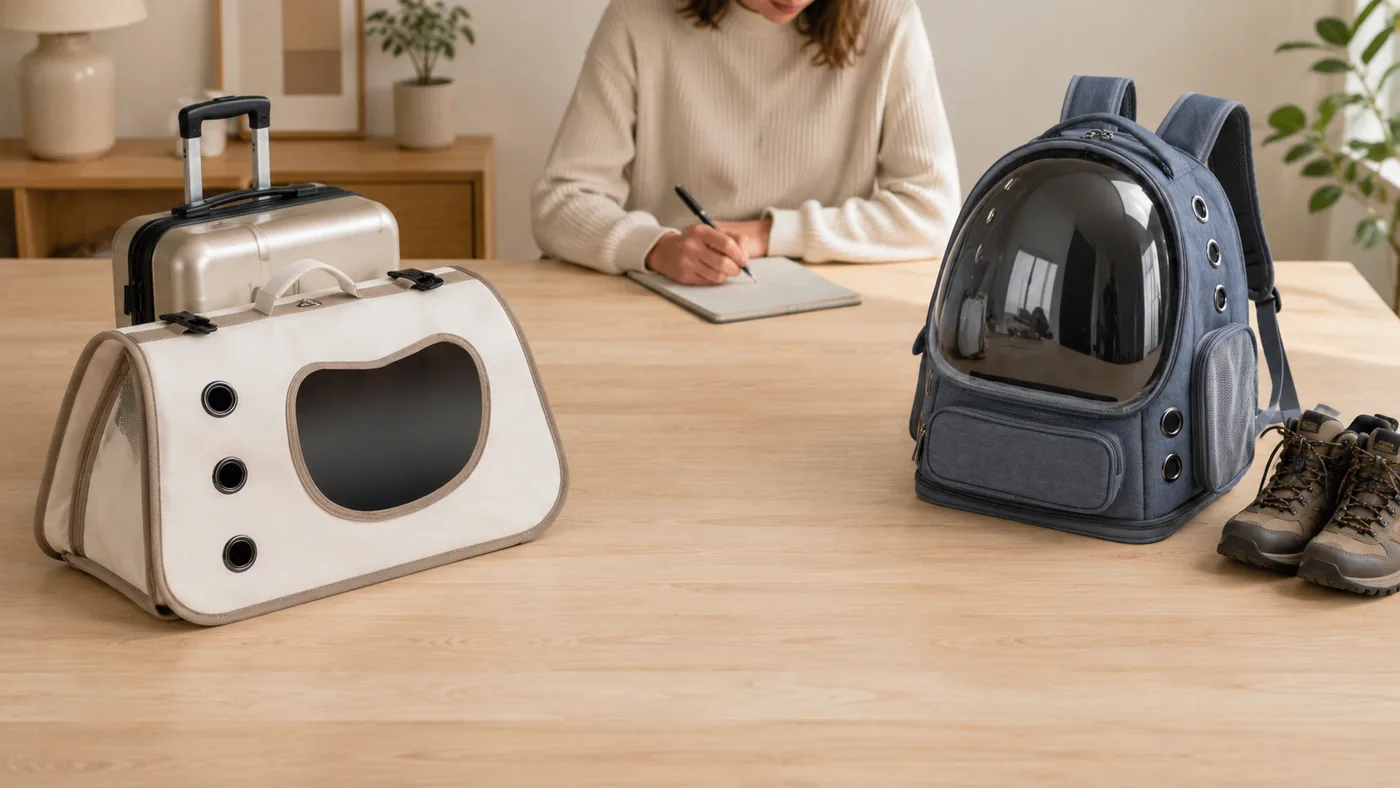
Cats do not have a view on shells. Journeys do.
What a cat actually reacts to
Space, air and familiarity — in that order, and none of them is the shell. A cat needs to stand up, turn around and lie down flat; it needs air on more than one face; and it needs the inside to smell of somewhere it already sleeps. A carrier that gets those three right works whether it is rigid or not.
Where the two genuinely differ is in what happens between trips. A soft carrier that folds flat lives under a bed and comes out often. A hard one takes a shelf, so it stays in the cupboard, and a carrier that only appears on vet day is exactly the carrier a cat learns to fight.
When soft wins
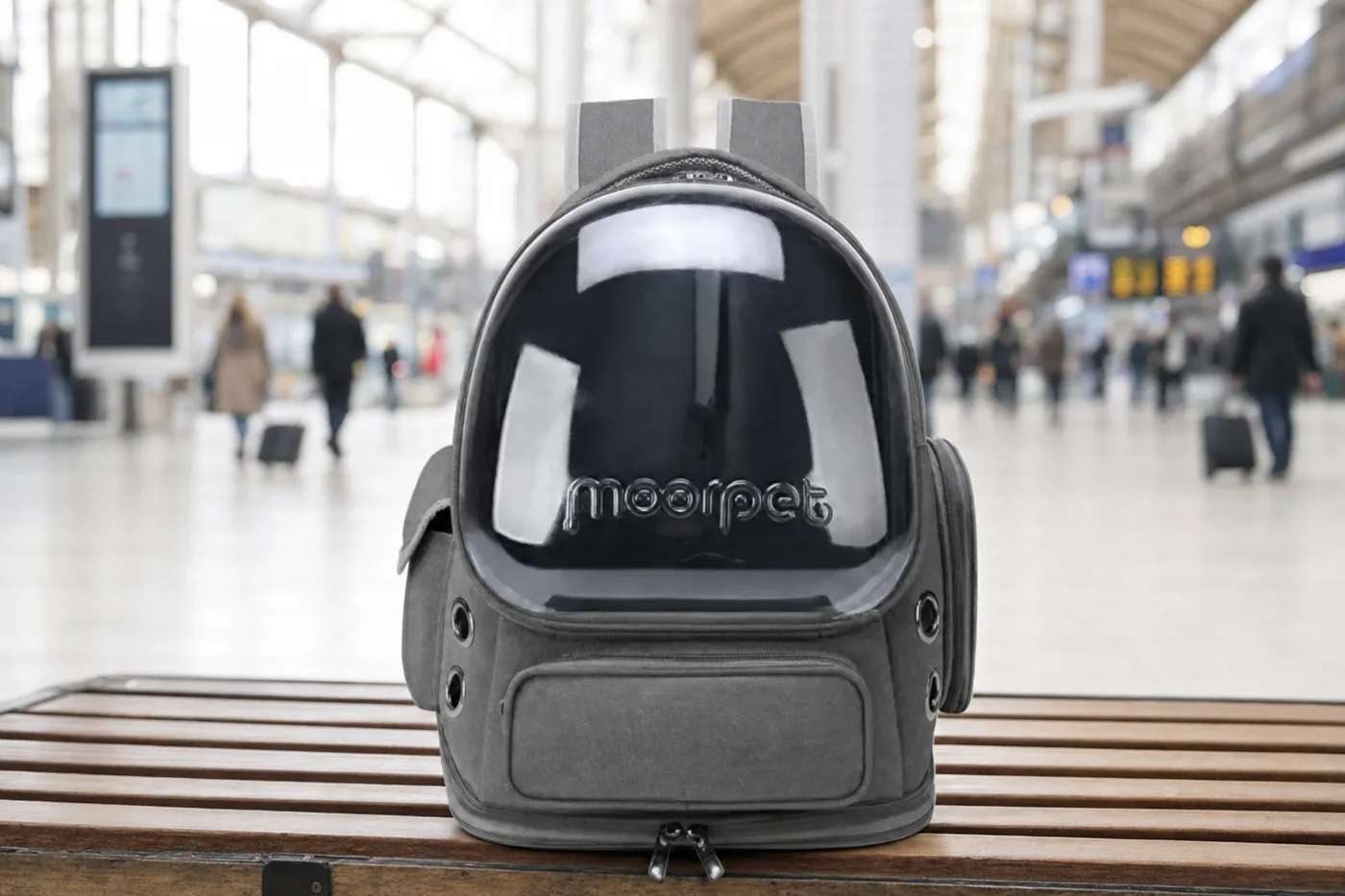
Short journeys, cabin flights, cats under about 7 kg, and any household where storage is tight. Soft sides also give a frightened cat something to press against, which rigid walls do not.
The limit is weight. Our own shoulder carrier suits cats of roughly 5 to 7 kg; above that the base flexes, and a buyer told us so in those words. That is the boundary of soft-sided construction rather than a flaw in one bag.
When hard wins
A heavy cat, a long car journey where the carrier travels in a boot with luggage around it, or a cat that has shown it will chew or claw through fabric. Rigid carriers also take a full clean more easily, which matters after a journey that went badly.
The part that decides it: the base
If you take one thing from this page, make it this: the argument is not really about the walls, it is about the floor. A cat standing on a surface that gives under its weight braces, and a braced cat is a cat that has decided the situation is unsafe. That is why two soft carriers of identical price can behave completely differently — one has a rigid board under the fabric and the other does not.
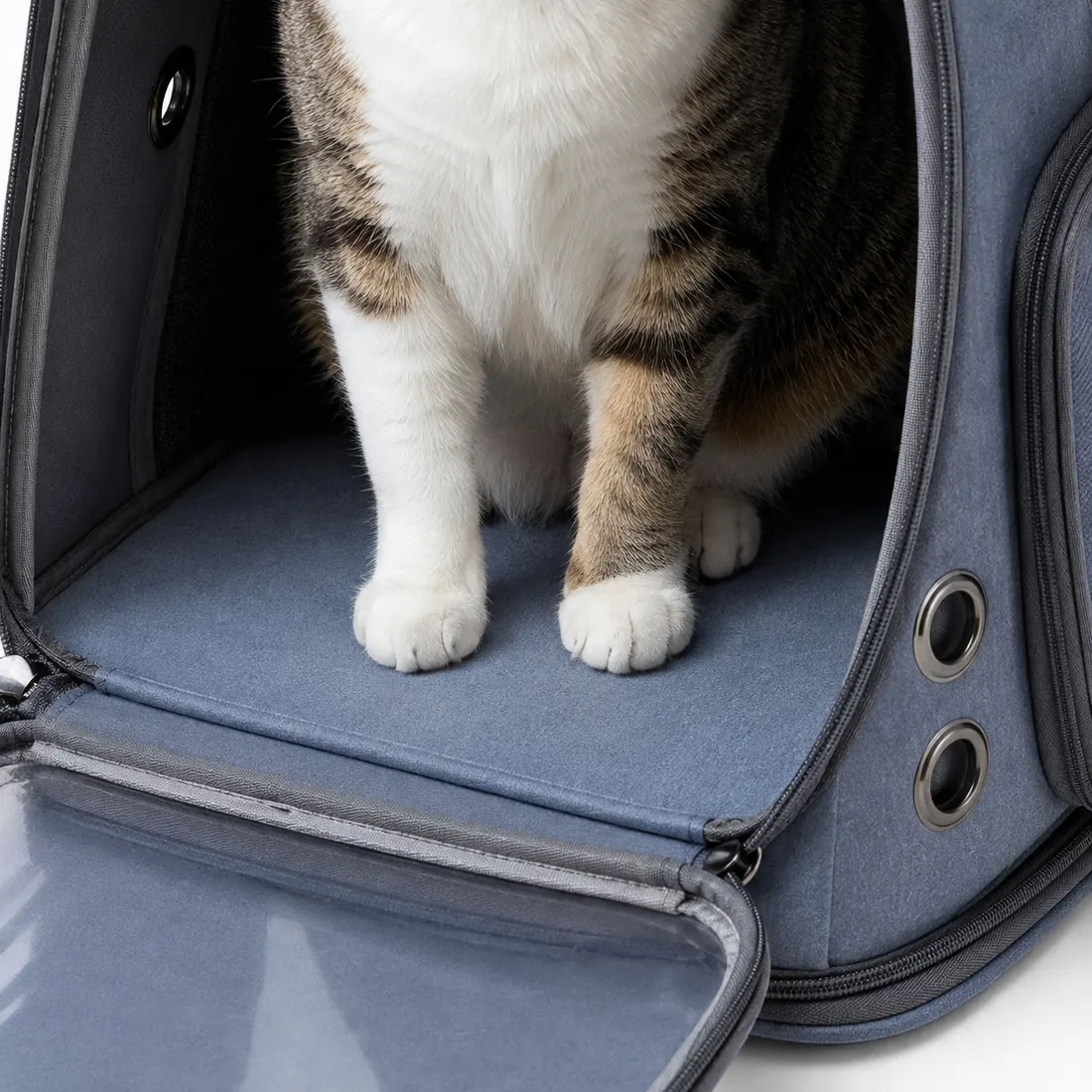
It is also the test to apply in a shop or on a return. Press down in the middle of the floor with the flat of your hand. If it dips, it will dip further under a cat that is moving, and no amount of padding compensates. This is the specific point at which soft-sided construction runs out for a heavy cat, and it is why our own range has two models rather than one.
Cleaning, and the journey that went badly
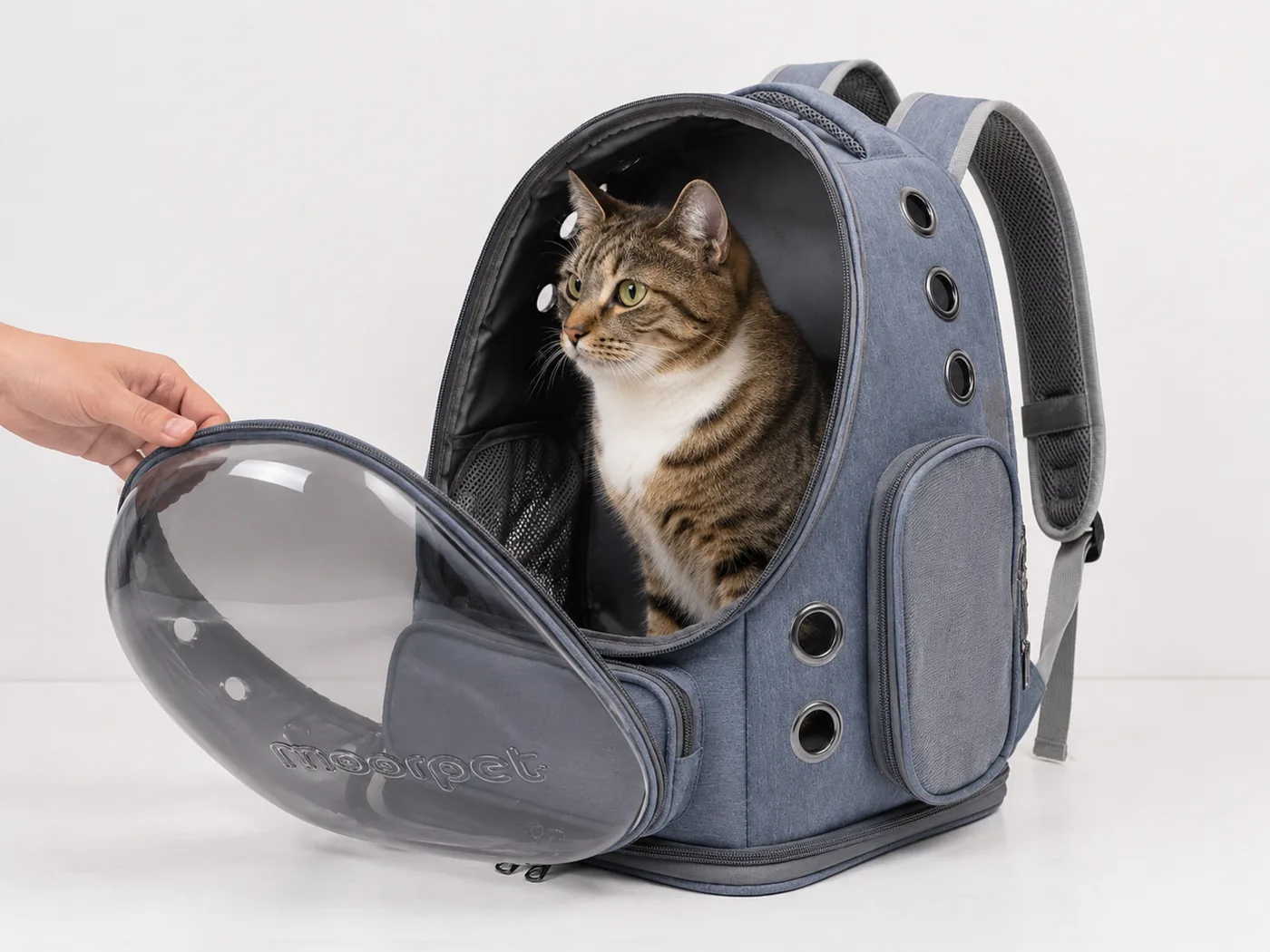
Every carrier eventually has the journey nobody plans for, and how easily it recovers is a genuine difference between the two types that almost no comparison mentions. A rigid shell can be taken outside and hosed. A soft carrier cannot, and if its base board is sealed inside a fabric sleeve rather than removable, cleaning it properly is difficult.
The practical answer for a soft carrier is to make the layer that gets dirty a layer you can remove: a folded towel or a washable mat on top of the base, rather than relying on the lining. It costs nothing, it goes in the machine, and it also gives you the familiar-smelling surface that makes a cat enter the bag in the first place. Two problems, one towel.
If you are flying
Check whether your airline takes cats in the cabin at all before you decide anything else. British Airways, Qantas and Air New Zealand do not — cats travel as freight. Virgin Australia and Air Canada do, and each publishes a maximum size. Air Canada has required soft-sided carriers since June 2025, so the hard-versus-soft question answers itself there.